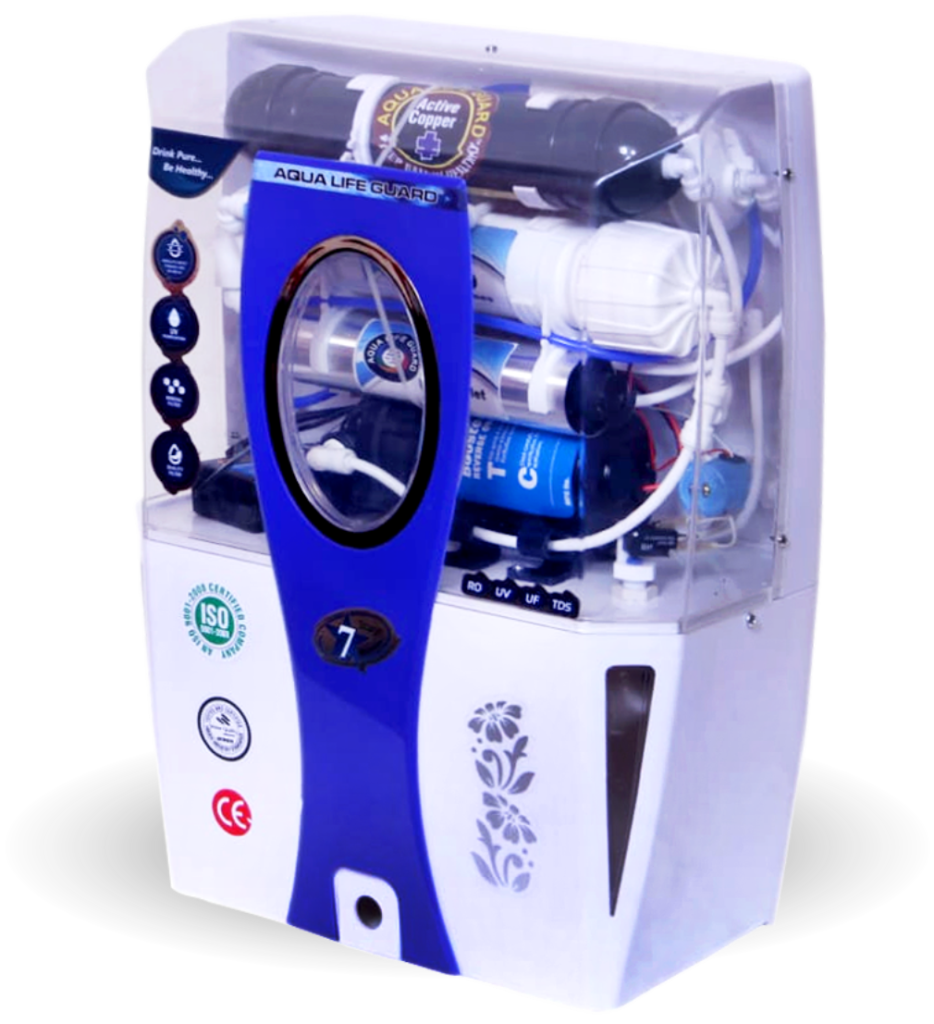
Start with the water supply and installation point
For RO installation in Bhauti, Kanpur, the right setup depends on the property’s water supply, available pressure, drainage, safe electrical access and drinking-water demand. Flats, independent houses and shops need different planning, but the purifier’s installation manual should guide every setup. First confirm whether RO is appropriate for the source water rather than choosing it solely by location or a TDS reading.
There is no verified water-quality or pressure survey here for Bhauti properties. A handheld TDS meter estimates dissolved solids; it cannot establish microbiological or chemical safety. Where source quality is unknown, laboratory testing helps identify relevant contaminants and guide treatment selection.
Identify the feed source and whether it changes between municipal supply, a storage tank or another supply.
Check the manual’s inlet-pressure, temperature, mounting-clearance and electrical requirements.
Choose an accessible location with a suitable drain route and room for future servicing.
Flats: check shared plumbing and permissions
In a flat, confirm which pipe actually supplies the kitchen and whether the building permits a new inlet connection or wall drilling. Pressure can vary with the plumbing arrangement, so floor level alone is not enough to decide whether additional pressure equipment is needed.
Keep the purifier accessible without obstructing cupboards, appliances or walkways. A technician should check the proposed mounting surface and avoid concealed wiring or pipes. For rented flats, agree on drilling and plumbing alterations before work starts.
Locate an accessible water shut-off valve before installation.
Have inlet pressure checked against the model specification rather than guessing.
Plan reject-water drainage with suitable backflow protection; avoid a submerged tube end.
Independent houses: account for tanks and pumps
In an independent house, trace the proposed feed through any storage tank or pump arrangement. Tell the installer if supply is intermittent or pump operation changes the pressure. A regulator, booster or additional pretreatment should only be selected after assessing the actual conditions and the manufacturer’s requirements.
Protect the unit from direct weather exposure and keep it within the manual’s permitted operating conditions. Any concern about tank contamination or unsafe source water needs separate assessment; fitting an RO does not remove the need to maintain upstream storage.
Check for visible dampness, leaking valves and damaged exposed plumbing.
Provide a stable mounting surface or a suitable level counter, depending on the model.
Avoid routing tubing where vehicles, doors, heat or sunlight could damage it.
Shops: plan for peak demand and safe access
For a shop, estimate drinking-water demand during the busiest period, not just the daily total. Storage volume and production rate are different: a full tank can run out if demand exceeds refill capacity. Check rated performance and operating limits in the model documentation.
Keep the dispenser and storage area away from dust, cleaning chemicals and customer traffic. A properly earthed socket should be positioned away from splashes. Have an electrician assess unsuitable wiring rather than relying on loose adapters or temporary extensions.
Leave enough space to replace filters without dismantling nearby fixtures.
Keep tubing out of walking routes and ensure staff can reach the shut-off valve.
Never use reject water for drinking, cooking or food washing.
Commissioning, maintenance and getting help
Before handover, the technician should check connections for leaks, confirm drainage and automatic operation, and complete the manufacturer’s flushing or sanitisation procedure. Initial water disposal requirements vary by model. Do not open powered or pressurised housings or adjust safety components yourself.
Maintenance should reflect source-water conditions, usage, reduced flow, persistent taste changes, warning indicators and the manual’s limits—not a universal replacement calendar. Persistent odour, suspected contamination or a changed source may require laboratory testing. Do not mix untreated water into purified water as a safety solution.
Aqua Life Guard is an independent multi-brand provider at 302 Barra-II Main Rd Sector 4 Barra 2, Kanpur, open 24 hours. For a Bhauti installation enquiry, share the purifier model, supply arrangement and property type to confirm appointment availability and installation requirements.
FAQ
Questions from Kanpur customers
Need RO Service in Kanpur?
Tell us what's wrong with your RO purifier and we'll help you find the right service.