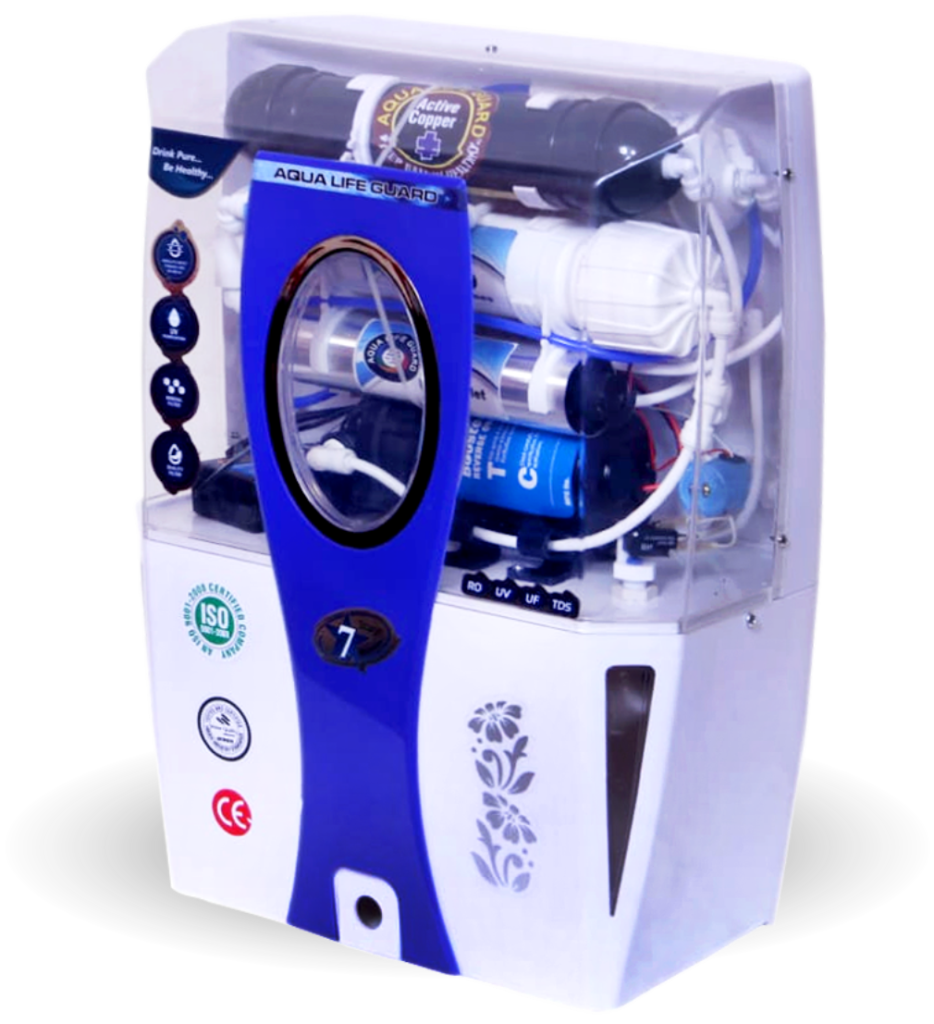
RO Installation in Govind Nagar: Flats, Independent Houses and Shops
A suitable RO installation depends on your water source, plumbing, electrical safety and daily demand—not just whether the property is a flat, house or shop.
RO installation in Govind Nagar, Kanpur should start with checking whether RO treatment suits the incoming water, then confirming a suitable inlet, drain route, electrical socket and mounting location. Flats, independent houses and shops share these requirements, but access, supply arrangements and drinking-water demand can change the installation plan.
Do not select a purifier from a TDS reading alone. TDS measures dissolved solids; it does not establish microbiological or chemical safety. If the source is uncertain or contamination is suspected, laboratory testing should guide treatment selection. The purifier’s model manual should determine allowable inlet pressure, water conditions, clearances and installation requirements.
Identify the actual water source and whether it changes between supplies.
Check available space, service access and permission for drilling or plumbing alterations.
Locate a suitable water inlet, sanitary drain connection and safe electrical point before booking.
Flats: Check Shared Plumbing and Access
In a flat, establish which line feeds the kitchen and whether it comes from a shared overhead tank, a pumped supply or another arrangement. Floor level alone cannot establish usable pressure. A technician should check pressure against the selected model’s limits rather than automatically adding a booster pump or pressure-reducing device.
Confirm any building restrictions before altering shared plumbing. For wall mounting, the fixing surface must support the purifier with its storage tank full. Under-sink installations need enough room to service filters without disturbing other fittings.
Keep the purifier accessible rather than tightly boxed into cabinetry.
Plan tubing away from sharp edges, hot surfaces and areas where it may be crushed.
Use a drain arrangement that prevents wastewater backflow, following the manual and applicable plumbing requirements.
Independent Houses: Follow the Supply Route
In an independent house, trace the chosen inlet back to its source. Multiple tanks, pumps or supply lines can make the nearest tap an unsuitable connection. Tell the installer about source changes, interrupted supply and any existing treatment equipment; do not assume these conditions are already known.
Choose a protected location away from direct sunlight, rain, cooking heat and splash exposure. A distant installation may require longer tubing and additional planning, so convenience should be balanced with the manufacturer’s limits.
Have a technician assess pressure during relevant pump or supply conditions.
Keep the inlet isolation valve accessible for servicing and emergencies.
Use an electrician if the socket, earthing or electrical location needs correction; avoid makeshift extension arrangements.
Shops: Match Capacity to Actual Use
For a shop, estimate drinking-water demand during the busiest period, not only the daily total. Staff use, customer dispensing and opening hours affect the required storage and production capacity. A domestic purifier may not suit sustained commercial demand; check the intended application and operating limits in its documentation.
Position dispensing equipment away from dust, cleaning chemicals and customer traffic. Leave room for hygienic handling and maintenance. Where water is used in food preparation, choose treatment and testing appropriate to that use rather than relying on taste or appearance.
Provide a stable, protected mounting or counter location.
Plan safe reject-water drainage; never use reject water for drinking or food preparation.
Assign responsibility for cleaning accessible dispensing surfaces and reporting leaks or faults.
Commissioning, Maintenance and Getting Help
Before handover, ask the installer to check connections for leaks, verify normal operation and complete the model’s prescribed flushing or sanitisation procedure. Confirm how to isolate the supply, recognise warning indicators and arrange service. Do not open powered or pressurised housings yourself.
Maintenance should follow the manual and actual conditions, including usage, inlet quality, reduced flow and alerts—not a universal replacement calendar. Persistent leaks, abnormal noise or repeated shutdowns need a technician. Suspected contamination needs laboratory assessment; acceptable taste or TDS is not proof of safety.
Aqua Life Guard is an independent multi-brand provider based at 302 Barra-II Main Rd, Sector 4, Barra 2, Kanpur. Confirm appointment availability and model-specific installation requirements before arranging a visit.
FAQ
Questions from Kanpur customers
Need RO Service in Kanpur?
Tell us what's wrong with your RO purifier and we'll help you find the right service.